
by Kristen Ingle and Heather Silsbee
Minneapolitans know we can’t rely on Mayor Frey and his political appointees to keep us safe. We’ve read the reports about his police department’s systemic racism and misogyny, and many of us have experienced the MPD’s brutality ourselves. We have also listened to and believed the all-too-frequent reports from City staff that endured the toxic, racist City enterprise itself.
Still, some of us were hopeful that maybe, just maybe, our City’s highest-paid official, Cedric Alexander, commissioner of the Office of Community Safety, would offer a plan forward. Not just overseeing what already is, but engaging community in building what could be.
Some of us were hopeful he’d engage the strong leaders in the Office of Performance and Innovation (now known as Performance Management & Innovation) who rolled out the internationally recognized Behavioral Crisis Response Team (BCR) and other unarmed responses. Maybe he would increase support of the Office of Violence Prevention (now known as the Office of Neighborhood Safety) and give us the “and” in the “both and” approach to public safety that Mayor Frey keeps promising us.
Unfortunately, based on a recent Star Tribune interview with Alexander, that doesn’t seem to be the case.
Even before Cedric Alexander was politically appointed under the new “Strong Mayor” government structure, there were concerns from community about his qualifications, his outside affiliations, and his board work that could impede his ability to focus on the transformational work ahead. Then, after his public hearing before the City Council, Council Member Aisha Chughtai expressed her deep concerns about the insensitivity and evasiveness in his responses to her questions about his past work.
Yet, the majority of the Council voted to confirm Alexander to the highest-paid position in our city government, and we now seem to be experiencing the consequences. We were promised “both and,” but have only ever received “both and barely.”
When we learn that, yet again, the leadership who is tasked with keeping us safe is actually thwarting our plans for progress, it’s easy to lose hope. Before you become despondent, we’re proposing something else.
Just take a look at who sits on top of the new “Strong Mayor” government structure: it’s us, the residents.
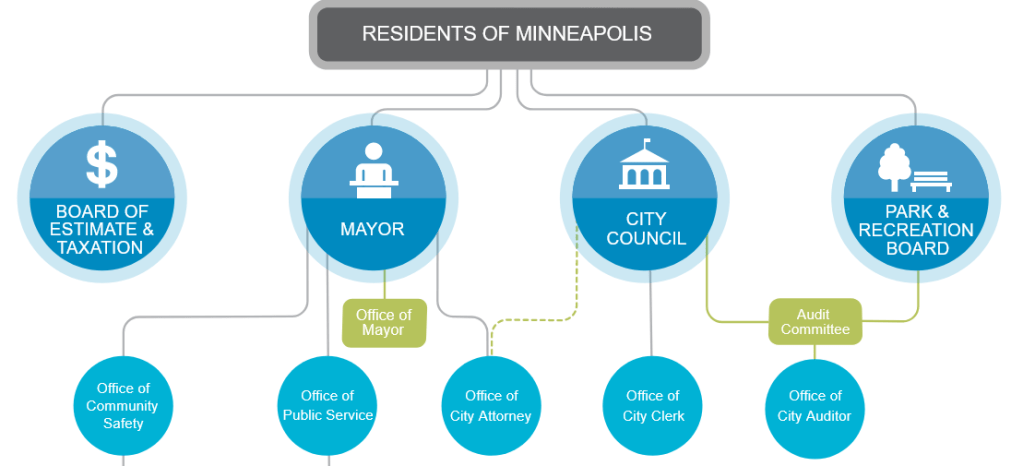
In his interview, Cedric Alexander said, “I need people to stop criticizing what we do, and sit down and listen to me.” But, we don’t have to. Alexander, the Mayor, Interim City Coordinator Heather Johnston, and the City Council work for us, not the other way around.
They might want us to feel helpless, but we’re not. We have the right to ask tough questions and criticize responses, especially after formal reports tell us the current system should not be trusted (so much that there is a court order to watch over their patterns and practices). If we don’t agree with the leaders who are meant to serve us, we can demand their removal or vote them out of office. Even more than that, we have the right and the power to build the community we want, whether they support it or not.
So, what does that mean? Here are some ways we can work together to build what we deserve.
Work to change our city leadership.
City Council elections are happening in November and we have a really good shot at changing the balance of power and leadership on the council. Even under the new “Strong Mayor” restructure, the council does hold significant power. The council still approves the budget and passes ordinances (e.g., rent control, sidewalk snow clearing, or environmental regulations), they still have to confirm Frey’s top staff, and they still have the power to approve or reject contracts and development projects. Find your neighborhood, ward, and city council member here and seek out how you can support progressive council members and candidates like Soren Stevenson in Ward 8, Aurin Chowdhry in Ward 12, Katie Cashman in Ward 7, Robin Wonsley in Ward 2, Jeremiah Ellison in Ward 5, Elliot Payne in Ward 1, Jason Chavez in Ward 9, and Aisha Chughtai in Ward 10. If we can elect them all, we’ll have a progressive majority who will work to advance, not obstruct, progress.
Educate yourself + pay attention.
Navigating how to get involved can sometimes be overwhelming. A good way to start is to familiarize yourself with local issues you’re passionate about and research what is being done about them. Even if you don’t have the capacity to donate or attend events right now, you can be a source of knowledge for your personal circles and advocate for the policies that matter to you. If public safety is your passion, there have been several formal reports issued to the public following the murder of George Floyd and subsequent local, state, and federal investigations. If you want to help curb climate change, look into the city’s Climate Action Plan and how it can be strengthened. Remember there is no finish line, this is an ever-changing, lifelong learning process.
- Read the public safety reports: DOJ, MDHR, MPD 150, George Floyd Square Resolution & 24 Demands, After Action Report 2020, After Action Report 2015, MPD & Emergency Staffing Analysis
- Follow the state consent decree process or follow up with the federal consent decree process and submit recommendations of remedies by email at Community.Minneapolis@usdoj.gov or by phone at 1-866-432-0268.
- Educate yourself on local climate issues: Climate Action Plan, Green Zones, the HERC incinerator
- Learn about the geography and history of your neighborhood: Jim Crow of the North, Mapping Prejudice, AREA, Free the Deeds
- Learn about the city budgeting process and how we could make it more accessible and equitable by advocating for participatory budgeting
- Support local independent media: Sahan Journal, MinnPost, Minnesota Reformer, Southwest Connector, Southwest Voices, Here’s the Truth with Georgia Fort, Racket, WedgeLIVE
- Watch or listen to City Council meetings and subscribe to council members’ newsletters
- Stay up to date with all municipal happenings by subscribing to the Minneapolis Documenters Newsletter
Get connected to your neighborhood.
One of the best ways to reduce isolation and increase safety is to get to know your neighbors. A lot of neighborhood issues can be easily prevented or resolved when you have a rapport with your neighbors and feel comfortable reaching out with questions or concerns.
- Say hi to new people & exchange phone numbers.
- Ask for help when you need it一start small. Need a cup of sugar? Ask your neighbor! The next time they need something, they are more likely to ask you.
- Practice mutual aid by normalizing asking for and giving help, sharing skills, and offering material support for community members in need.
- Learn what resources exist outside of the police to help with crises or conflicts in your neighborhood. The REP community hotline (952-737-3730) is available on weekends to help with mental health crises and conflict resolution. During the week, you can call 911 and ask the operator to send a BCR team to respond to mental health-related incidents instead of the police. (Note: the 911 operator has discretion over who to dispatch depending on the nature of the call and BCR team availability, so there’s no guarantee that police won’t arrive.)
- Prepare yourself to better respond to crises by taking classes from organizations like Freedom Street Health or Mental Health First Aid.
- Attend Neighborhood Association meetings and events. Many neighborhood associations host ice cream socials, fall festivals, and more! If your Neighborhood Association isn’t discussing the issues that matter to you, send them an email and let them know.
- Discover other neighborhood groups and activities. Check the community bulletin board at local coffee shops, search for Twin Cities Facebook groups, or follow local organizations on social media to learn what’s happening.
- If you’re in Southeast or Southwest Minneapolis, we can personally recommend joining the Southwest Alliance for Equity (SWAE) or Ward Eleven Allied Voices for Equity (WEAVE).
Join a movement + show up.
From the labor movement to the racial justice movement to climate justice organizing, history teaches us that the most impactful justice work happens when everyday people join together across generations and across all sectors. The power is in the people. Coalition building creates irrefutable power and has been at the forefront of our recent big wins (e.g., East Phillips Urban Farm, Driver’s Licenses for All, Restore the Vote). The power is in the people一but only if we get involved and show up. The more people are involved, the closer we can get to a city politic attuned to the people’s concerns. If you’re not sure where to start, here are some ideas.
- East Phillips Neighborhood Institute
- Minneapolis United for Rent Control
- ISAIAH
- Minnesota Environmental Justice Table
- MN350
- New Justice Project
- Communities United Against Police Brutality
- We Choose Us
- Take Action MN
- Jewish Community Action
- OutFront MN
- Sanctuary Supply Depot
- Local unions : MFT, AFSCME 2822, MNA, MN AFL-CIO, SEIU MN, MAPE
Heal.
If the thought of adding even one more activity to your life gives you heart palpitations, maybe you need to do less. All Minneapolis residents have been through a lot in the past few years. Many of us live with marginalized identities, disabilities, or precarious financial situations that made us even more vulnerable to the effects of the pandemic, police killings, and the national political spotlight. On top of all that, add the big and small personal stressors or tragedies that we deal with on a day-to-day basis and the realities of having to work to live. Regardless of how many people tell us we need to just move on, we can’t unless we actually take some time to heal. For those of us who care deeply about injustice, it can feel selfish or counter-productive to take a break. But, in order to create truly sustainable social movements, we have to rest. If you need more convincing or practical advice, we highly recommend the work of Tricia Hersey and her organization, The Nap Ministry.
In their new book Let This Radicalize You: Organizing and the Revolution of Reciprocal Care, organizers Kelly Hayes and Mariame Kaba tell us,
We all have a role to play in building this new world. Determine what the next right step is for you. There is always something that is worth doing. Find your lane and push ahead. Make connections with others. Refuse to acquiesce to despair. Imagine your way forward. There are many ways that things can be different in the world, and we don’t know how things will turn out, so we might as well fight like hell for the world we want to inhabit.
We hope this can serve as a reference both for others and for ourselves the next time we start to despair. Despite its many flaws, our Minneapolis community is too important and beautiful to give up on it.
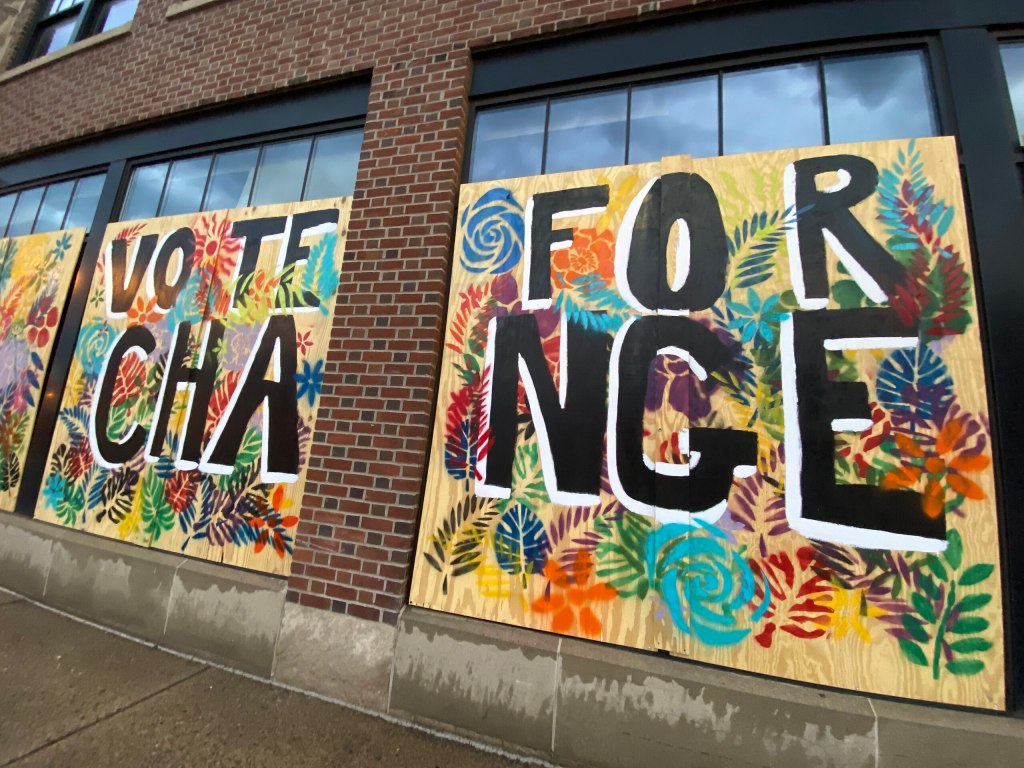
Photo credit: Lorie Shaull


 Mpls Musings
.jpg)
Leave a comment